
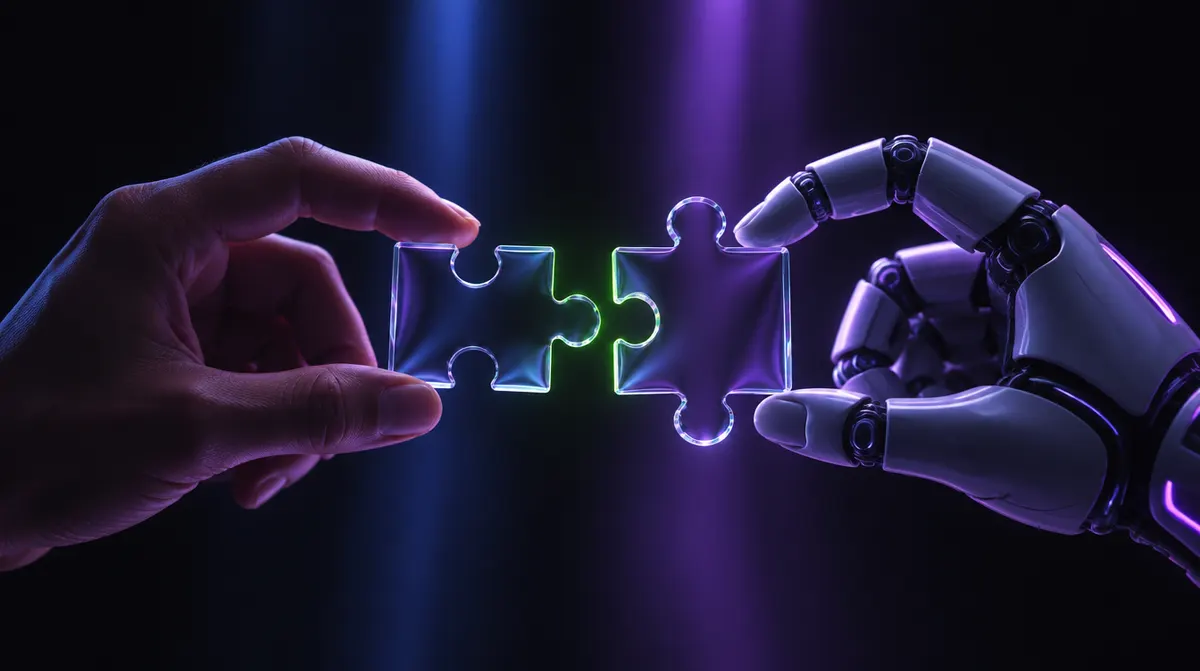
AI is now part of almost every marketing tool, and claims about it range from the sensible to the absurd. For a small business owner, the useful question is not whether AI will change marketing. It is which jobs it does well today and which still need a person who knows the business.
What AI does well
AI is strong at producing and varying content quickly: drafting copy, generating and editing images, resizing creative for different placements, summarising information and suggesting ideas. Inside advertising platforms, it handles bidding and decides who sees each ad. These are tasks where speed and scale matter and where a person can check the output.
What it cannot do
AI does not know your customers, your reputation or what is true about your business unless you tell it, and it can state things confidently that are wrong. It has no stake in the result. It cannot decide what your business should stand for or judge whether a campaign fits your brand. Those decisions remain yours.
The risk of sounding like everyone else
Because these tools draw on patterns in existing content, unedited output tends toward the average. If every business in your category publishes the same polished, generic copy, none of it stands out. The remedy is specific input: your real examples, your customers' words, your opinions. Use AI to speed up your thinking, not to replace it.
Accuracy and trust
Check everything before it goes out. Facts, prices, claims and product images all need a human review, because you are responsible for what you publish. Be careful with customer data in any tool. Follow advertising rules and platform policies on AI-generated content. Trust is slow to earn and quick to lose.
A sensible way to start
Pick one task that takes too long, such as producing ad variations or drafting first versions of posts, and try AI on that. Keep a person in charge of strategy and final approval. Measure whether results improve, not just whether work gets done faster. Then extend it to the next task.
We describe ourselves as AI-powered because the tools let a small team produce what once needed a large one. The strategy, the judgement and the accountability are still human.