
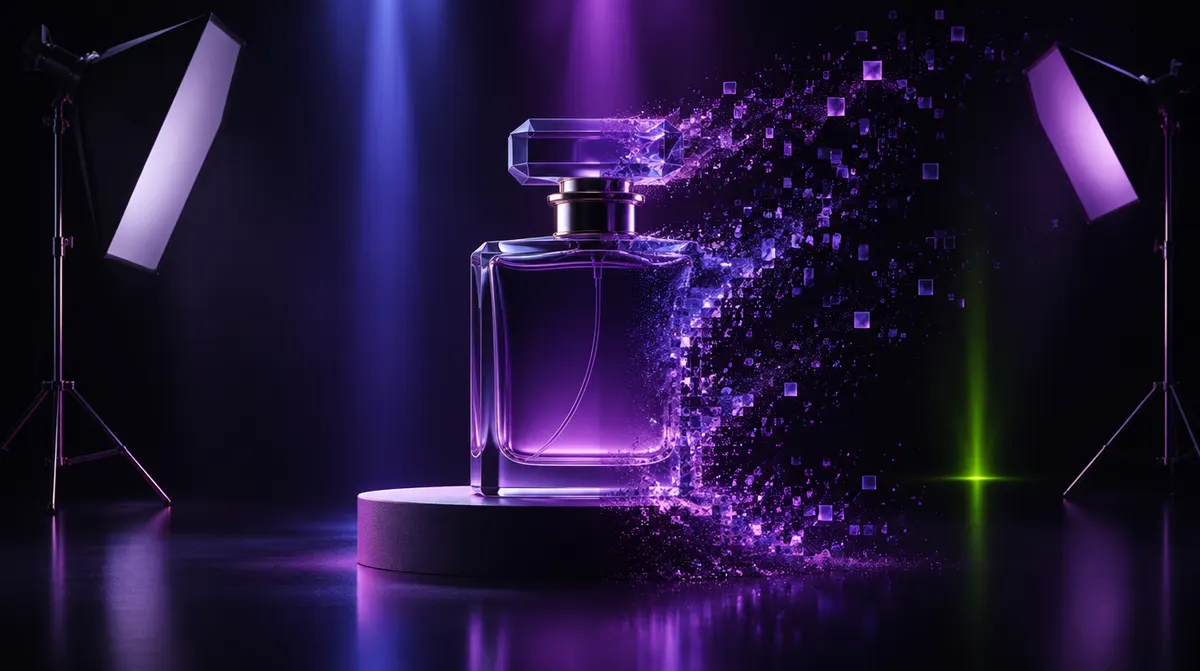
Product photography used to mean a studio, a photographer and a day set aside for every new batch of items. AI has changed the economics. A brand can now place a real product into a new scene in minutes. Used well, that means more imagery, more variety and more to test. Used carelessly, it means pictures that misrepresent what you sell.
What AI can do
Starting from photos of your actual product, AI tools can change the background, place the item in a lifestyle setting, adjust lighting, extend an image to fit a different shape and generate seasonal or themed versions. For apparel and accessories, they can show items on models or in settings that would otherwise need a full shoot.
Where it helps most
The clearest benefit is variety for advertising. Platforms favour fresh creative, and different audiences respond to different scenes. AI makes it practical to produce many versions of a product image for testing, to refresh ads before they tire and to prepare imagery for a launch or a seasonal campaign without waiting for a shoot.
Accuracy comes first
A customer who receives something that looks different from the picture will return it and may leave a poor review. The product in an AI image must match the real one in colour, shape, proportions, texture and detail. Check every image against the item itself. Logos, labels and small text are common places for errors, so look closely.
Where traditional photography still wins
Your core product listing images, where shoppers judge exact details, are usually best shot for real. So are items with complex textures, reflective surfaces or fine print. Many brands use real photography as the accurate foundation and AI to build the surrounding campaign and lifestyle imagery from it.
A sensible workflow
Begin with clean, well-lit photos of the product from several angles. Use those as references. Generate options, choose the best and have a person review each one for accuracy and brand fit before it is published. Keep the originals, record which images were AI-assisted and follow the platforms' rules on AI-generated content.
We produce product, lifestyle and campaign imagery for brands using AI production workflows, always starting from the real product. You can see examples on our projects page.